Termite Treatment Services for Homeowners
Request a termite estimate
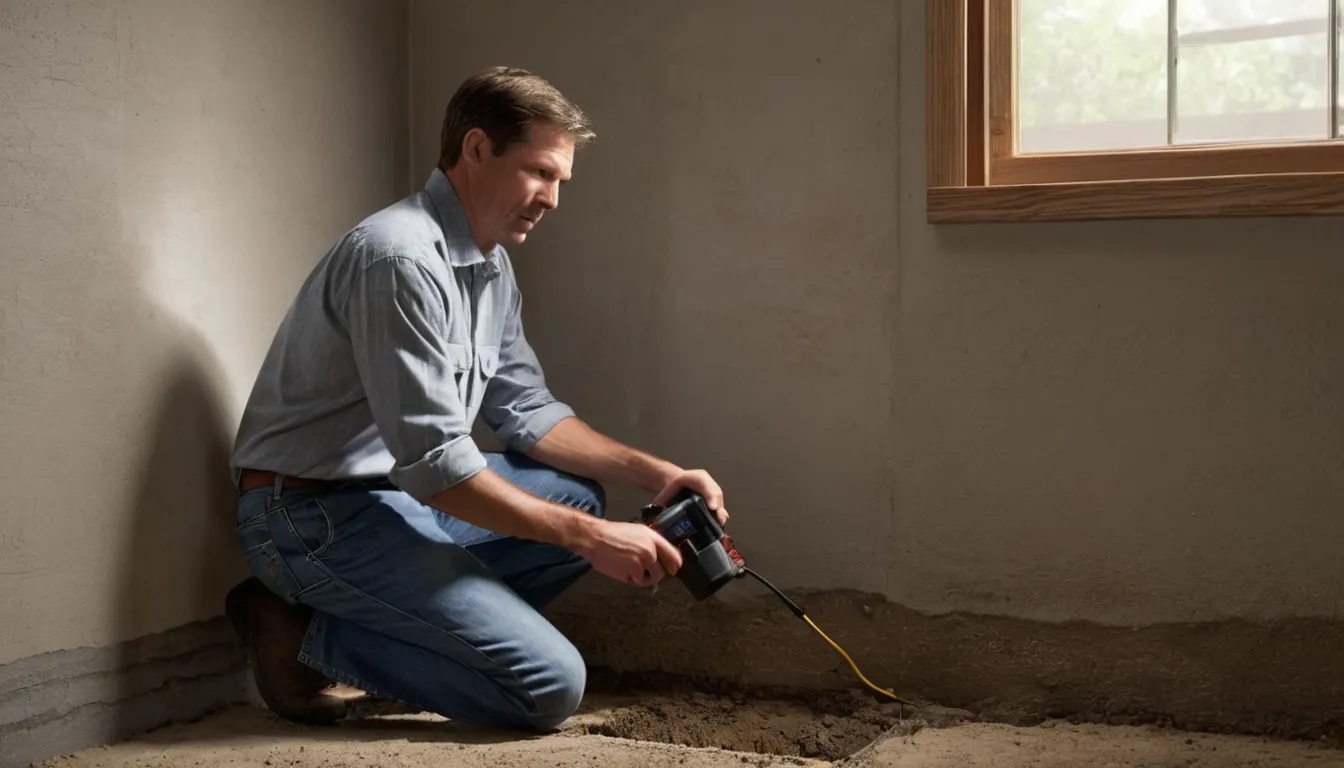
Termites eat wood from the inside, so the first sign is often small. Maybe it is a pencil-width mud tube on a basement wall, or a pile of wings near a window. Catch it small, and the repair bill usually stays smaller too.
Thirdleading Pest Control is a referral service. We do not inspect or treat homes. We pass your request to an independent provider in our network, and that provider does the work. This page shows what to look for, what a handy homeowner can safely do, and when to stop and call in a licensed pro in Columbus, OH.
Think You Have Termites? Start Here
Grab a flashlight and a screwdriver. Look before you decide anything. Termites work out of sight, so even one odd sign is worth a closer look.
Thirdleading Pest Control is a referral service. Providers do the work. We connect you with an independent local provider in our network who can inspect and treat.
A ten-minute check you can do today
- Walk the basement walls and look for thin dirt tubes.
- Tap baseboards and window sills with the screwdriver handle.
- Check windowsills for tiny wings.
- Look at the sill plate where wood meets concrete.
- Photograph anything odd, with a coin next to it for size.
Early Warning Signs Worth Catching
Most damage starts as a small clue. Learn these and you will spot trouble sooner.
Mud tubes
These pencil-width tunnels climb foundation walls and joists. Scrape one open with a screwdriver. If you see tiny pale insects inside, take a photo and stop there.
Swarmers and shed wings
Winged insects often appear indoors in warm, humid weather. Their wings pile up near windows and doors. Wings on a sill are a strong hint that a colony is close.
Hollow-sounding wood
Tap the wood. A dull, papery sound can mean the inside is eaten out. Press gently with a screwdriver. If it sinks in easily, mark the spot and photograph it.
Sticking doors and bubbling paint
A door that suddenly sticks, or paint that bubbles for no clear reason, can point to moisture or tunneling behind the surface. It might be something else, which is why an inspection helps.
Why Prompt Attention Matters
A colony does not pause for winter inside a warm house. Deep frost pushes insects toward heated basements, and hot, humid summers wake them up fast. Spring flooding and damp crawl spaces add the moisture they like.
Older frame houses, bungalows and ranch homes often have wood close to soil, which gives termites an easy path. Waiting can turn a small treatment into a framing repair.
What You Can Safely Do Yourself
Seal, then stop. A few chores are fair game for a handy person:
- Fix leaky gutters, downspouts and dripping pipes.
- Run a dehumidifier in damp basements and check the sump pump.
- Stack firewood away from the house and off the ground.
- Pull mulch back from the foundation.
- Seal gaps around pipes with caulk.
Where to stop
Do not tear out wood or spray over tubes. That can scatter the colony and hide evidence a provider needs. Do not use store-bought foggers for termites. They rarely reach the nest.
Types of Termites
Subterranean termites live in soil and travel up through mud tubes. They are the usual concern in cold-winter regions. Drywood termites live inside the wood and leave tiny pellets. Dampwood termites favor very wet timber.
You do not need to name the type. A provider will identify it and choose the treatment.
How Termite Treatment Works
Methods vary by house and species. Here is what homeowners commonly see.
The inspection
The provider checks the foundation, crawl space, attic and any wood in contact with soil. Expect probing, moisture readings and photos.
Liquid soil barrier
Providers often treat the soil along the foundation so termites hit a barrier as they travel. This may involve drilling small holes in slabs.
Bait stations
Stations placed around the yard hold bait that workers carry back to the colony. This takes longer but uses less liquid.
Spot and wood treatment
For small or isolated areas, providers may treat the wood directly. Ask what area the treatment covers.
Request a callback to check provider availability, or use the request form.
Termite Inspections for Home Sales
Buying or selling? Many lenders ask for a written wood-destroying insect report. A seller who inspects early has time to treat and fix problems before a buyer finds them. A buyer can use the report to ask questions before closing.
Choosing a Termite Provider
Get at least two written quotes when you can. Compare them line by line.
- Ask whether the provider holds the state license for termite work.
- Ask what the quote covers and which method is used.
- Ask how long any warranty lasts and what voids it.
- Ask about repairs, since many providers treat but do not rebuild.
After Treatment
Expect to see some activity for a while. That is normal. Keep fixing moisture and keep wood off the soil. Schedule follow-up checks as the provider suggests.
Keep records
Save the contract, the treatment map and your photos. They help with future inspections and home sales.
Insurance questions
Most policies treat termite damage as maintenance, though some policies may cover sudden damage. Check your policy. Providers can often help document damage for a claim.
How Referrals Work Here
You send a request. Thirdleading Pest Control routes it to an independent provider in our network. The provider sets the price and does the job. You decide whether to hire them.
What's Included
Inspection
A provider checks foundation, crawl space and framing for live activity, damage and moisture problems in your house.
Soil Barrier
Liquid treatment along the foundation creates a zone termites must cross to reach wood.
Bait Stations
Stations placed around the yard let workers carry bait back to the colony over time.
Wood Spot Treatment
Targeted treatment on affected framing, sills or trim when activity stays limited to one area.
Typical Termite Treatment Costs
These are typical U.S. ranges. Price varies with house size, termite type, method and access, so always get a written quote before agreeing to any work.
| Service | Typical range | Notes |
|---|---|---|
| Termite inspection | $75 – $300 | Some providers waive it with treatment |
| Liquid soil barrier | $1,200 – $3,000 | Depends on foundation length |
| Bait station system | $1,500 – $3,500 | Often includes monitoring visits |
| Spot wood treatment | $250 – $900 | For small, limited areas |
| Drywood tent treatment | $1,500 – $4,000 | Cost rises with house size |
| Annual renewal | $100 – $400 | Warranty terms vary |
How It Works
Spot and Photograph
Find a sign, snap clear photos with a coin for scale, and leave the area undisturbed.
Request Estimate
Send your details through the form so a provider in our network can reach you.
Compare Quotes
Review the written quote, method, warranty terms and anything left out.
Treat and Follow Up
The provider treats the home, then you fix moisture and schedule checks.
Why Call Thirdleading Pest Control
Honest Referral Model
Thirdleading Pest Control refers requests only. Independent providers in our network do all inspections and treatments.
Catch It Small
Spotting mud tubes or wings early can mean a smaller treatment and less framing repair later.
Clear Limits
We tell you what a handy owner can check and when to stop.
Local Fit
Providers know regional soil, frost and basement conditions that shape treatment.
Other Services
Need termite treatment services in Columbus?
Seeing droppings, trails or damage? Send a request for an estimate and a local provider in our network will follow up with you.
No obligationTermite Treatment Services FAQ
How do I know if I have termites or just ants?
Termites have thick waists, straight antennae and wings of equal length. Flying ants have pinched waists, bent antennae and uneven wings. If unsure, take a photo and ask a provider to confirm.
Can I treat termites myself?
Small DIY steps like fixing leaks, moving firewood and sealing gaps help prevent them. Active colonies usually need professional products and equipment, since store-bought sprays rarely reach the nest and can scatter the colony.
How much does termite treatment cost?
Typical U.S. prices run from a few hundred dollars for spot treatment to several thousand for a full barrier or bait system. Ask for a written quote.
Request a callback
Seeing droppings, trails or damage? Send a request for an estimate and a local provider in our network will follow up with you.
No obligation