Rodent & Wildlife Removal in Columbus, OH
Request an estimate today
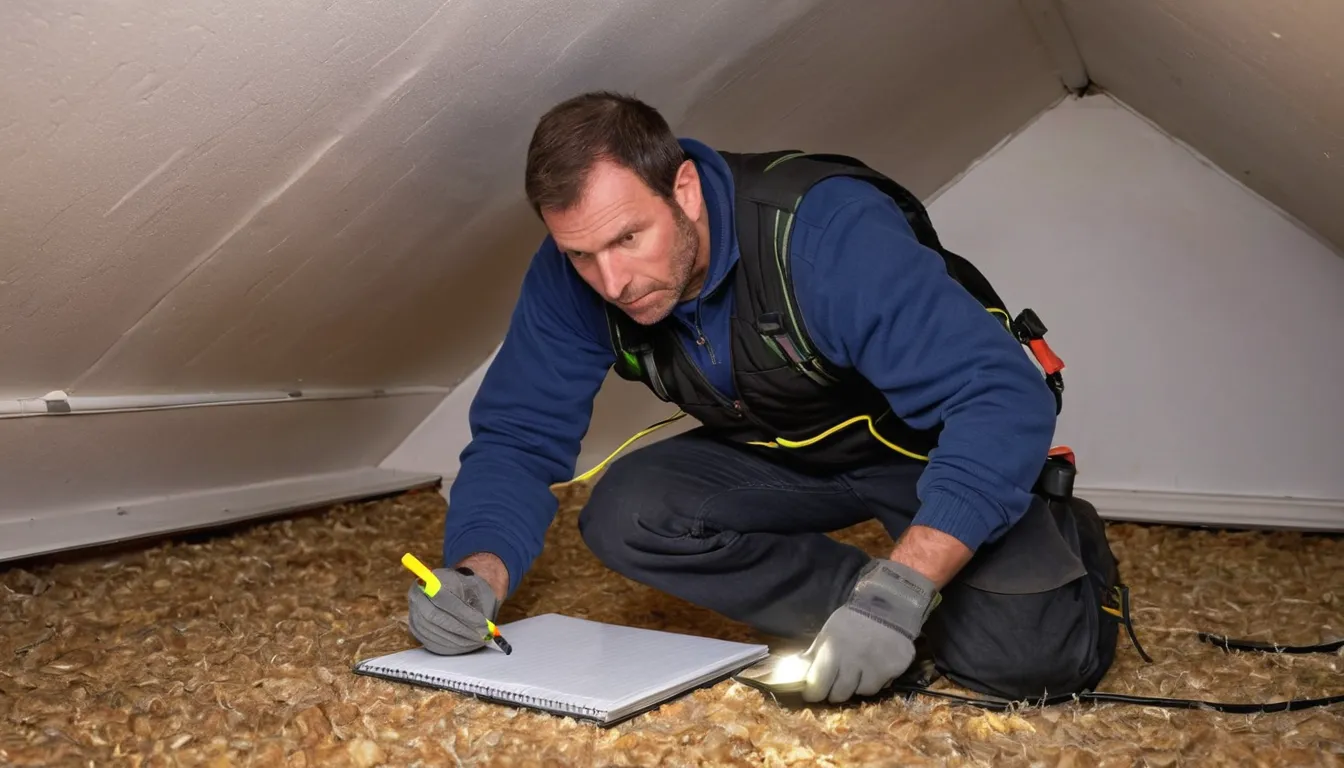
Most rodent and wildlife problems start with something small. A scratch in the wall. A few droppings behind the water heater. A gnawed corner on a box in the garage. Catch it small, and the fix is often a trap, a patch and a bit of cleanup.
Thirdleading Pest Control is a referral service. We do not do the trapping or sealing. We pass your request to an independent local provider in our network, and that provider does the work. This page shows what to look for, what a handy homeowner can safely try, and when to stop. It also covers typical costs, humane handling and how to keep animals out of homes across the Columbus area.
Noises in the Attic or Walls? Start Here
Scratching at dusk. Thumping over the bedroom. A musty smell near the vents. Something has found a way in, and it likely has company.
This page is for homeowners who want a plain plan. You will see what to check, what you can safely do, and when to hand it off. Thirdleading Pest Control is a referral service. Providers do the work. A provider in our network handles the trapping, removal and sealing.
The Urgent Part: Why Animals Need Fast Action
Rodents breed quickly. A pair of mice can become a crowd in a few months. Squirrels and raccoons may nest in spring and fall, and a nest means young animals that are hard to move later.
Gnawing is the real danger. Chewed wiring is a fire risk. Torn insulation costs you heat in a cold winter. Droppings and urine soak into materials and spread germs.
Check for Babies Before Anything Else
If you hear high chirping or squeaking, young may be inside. Do not block the entry hole. Trapping a mother outside can leave her babies stuck in your walls. This is a good moment to stop and ask a provider.
Signs to Catch Small
Walk your home with a flashlight. Look low and look high. Early signs are easy to miss, but they are easy to fix too.
Droppings and Rub Marks
Mouse droppings look like dark rice grains. Rat droppings are larger. Greasy smudges along baseboards mean animals use the same path night after night. Photograph what you find. A provider can use the pictures to plan.
Sounds and Smells
Scratching at night points to rodents. Heavy thumps in daytime can mean squirrels. A sharp ammonia smell usually means urine. A sweet, rotten smell can mean an animal died inside a wall.
Chewed Wires, Pipes and Insulation
Look in the attic, the crawl space and around the sump pump pit. Check stored boxes, stuffing in gaps and chewed wire jackets. If you see bare copper, stay away and have it checked.
What a Handy Homeowner Can Safely Try
Some steps are fine for a small mouse problem.
- Wipe up food crumbs and store pet food in sealed bins.
- Set snap traps along walls, with gloves on.
- Seal gaps the width of a pencil with steel wool and caulk.
- Trim branches that touch the roof.
- Wear gloves and a mask when you handle droppings, and wet them first. Never sweep them dry.
Then stop. Seal, then stop means you close small gaps, then let a pro judge the rest.
Where to Stop and Call a Pro
Some jobs are not for a weekend. Bring in a provider if you hear animals in the attic, see more than a few droppings, find a nest, or suspect bats. The same goes for any animal that seems sick or bold in daylight. Never corner a wild animal.
Request a callback to check provider availability, or send the request form.
Common Animals Providers Handle
- Mice and rats: the most common guests, in walls, basements and garages.
- Squirrels: they chew into attics and soffits.
- Raccoons: strong enough to tear vents and shingles.
- Bats: often protected, so timing and method matter.
- Opossums, skunks and groundhogs: usually under decks, sheds and porches.
How Rodent and Wildlife Removal Works
A provider usually starts with an inspection. They look for entry points, signs of activity and damage. Then they explain the plan and give a written quote.
Next comes removal. That may be traps, one-way doors or other methods that fit the animal. After that, the provider closes the entry points. This step matters most, because removal without sealing invites the next animal.
Some providers also clean droppings, replace soaked insulation and help document damage. Ask what is included before you agree.
Humane Handling and Local Rules
Rules differ by state and town. Some animals are protected. Some can only be moved at certain times of year. Bats and nesting animals often have seasonal limits.
A reputable provider knows the local rules and follows them. Ask how the animal will be handled and where it goes. Be wary of anyone who offers poison for wildlife, since it can harm pets and leave dead animals in walls.
Choosing a Removal Provider
Ask a few plain questions.
- Are you licensed where required, and can I see proof?
- Do you seal the entry points, or only trap?
- What does the written quote include?
- Is there a warranty on the repair work, in writing?
Get the answers on paper. Compare quotes, but do not pick on price alone.
Keeping Animals Out Through Frost and Flood
Cold winters push animals indoors. Spring flooding and heavy storms send them looking for dry spots. Hail can crack vents and shingles, which opens new doors.
Twice a year, check the roofline, vents, foundation and basement windows. Cap chimneys, screen vents and keep the sump pit lid snug. Store firewood away from the house. Fix small gaps before they become entry points.
How Thirdleading Pest Control Routes Your Request
You send a request. We pass it to an independent local provider in our network. That provider contacts you, inspects and quotes the job. Thirdleading Pest Control does not perform the work, and the provider sets the final price and schedule. There is no obligation to accept a quote.
What's Included
Inspection and Entry Points
A provider checks the attic, walls, basement and roofline to find where animals get in.
Trapping or Removal
Methods fit the animal and local rules, with humane handling where required.
Sealing and Repair
Gaps, vents and chewed spots get closed so new animals cannot follow.
Cleanup Options
Some providers clean droppings and replace soiled insulation. Ask what the quote covers.
Typical Rodent and Wildlife Removal Costs
Prices vary by animal, home size, access and how much damage there is. These are typical U.S. ranges only. Always get a written quote from the provider before work starts.
| Service | Typical range | Notes |
|---|---|---|
| Inspection visit | $75 – $300 | Some providers apply it to the job |
| Mouse trapping program | $150 – $600 | Often includes follow-up visits |
| Rat removal | $300 – $1,000 | Depends on how large the problem is |
| Squirrel or raccoon removal | $250 – $900 | Higher if young are present |
| Exclusion and sealing | $300 – $3,000 | Depends on number of entry points |
| Attic cleanup and insulation | $1,000 – $8,000 | Varies by area and damage |
How It Works
Send Your Request
Tell us what you see or hear, where it is, and when it started. Photos help.
Get Matched Locally
We pass your request to an independent provider in our network near your home.
Review the Quote
The provider inspects and gives a written quote. You decide with no obligation.
Provider Does the Work
Your chosen provider handles removal, sealing and any agreed cleanup. Ask about written warranties.
Why Call Thirdleading Pest Control
Clear Referral Role
Thirdleading Pest Control only connects you. Independent providers do the inspection, removal and repair.
Practical Guidance
Learn which small steps are safe for you and when a licensed pro should take over.
Early Signs
Spotting droppings or noises early can keep a small problem from damaging wiring.
Written Quotes
Ask the provider for a written quote and compare it before you agree to any work.
Other Services
Need rodent & wildlife removal services in Columbus?
Seeing droppings, trails or damage? Send a request for an estimate and a local provider in our network will follow up with you.
No obligationRodent & Wildlife Removal Services FAQ
How do I know if I have mice or rats in my walls?
Listen for scratching at night, and look for droppings, greasy rub marks and chewed material. Mouse droppings are small and rice-sized, while rat droppings are bigger. Photograph what you find and share it with a provider.
Can I remove wildlife from my attic myself?
Small mouse problems are often fine for a careful homeowner. For squirrels, raccoons or bats, stop and call a provider. Young animals, protected species and local rules can make DIY risky for you and the animals.
Does homeowners insurance cover rodent or wildlife damage?
Coverage depends on your policy. Many policies exclude damage from rodents over time, while some may cover sudden damage. Check your policy, and ask the provider to help document damage for a claim.
Request a callback
Seeing droppings, trails or damage? Send a request for an estimate and a local provider in our network will follow up with you.
No obligation