Pest Control for Columbus Homes
Request an estimate today
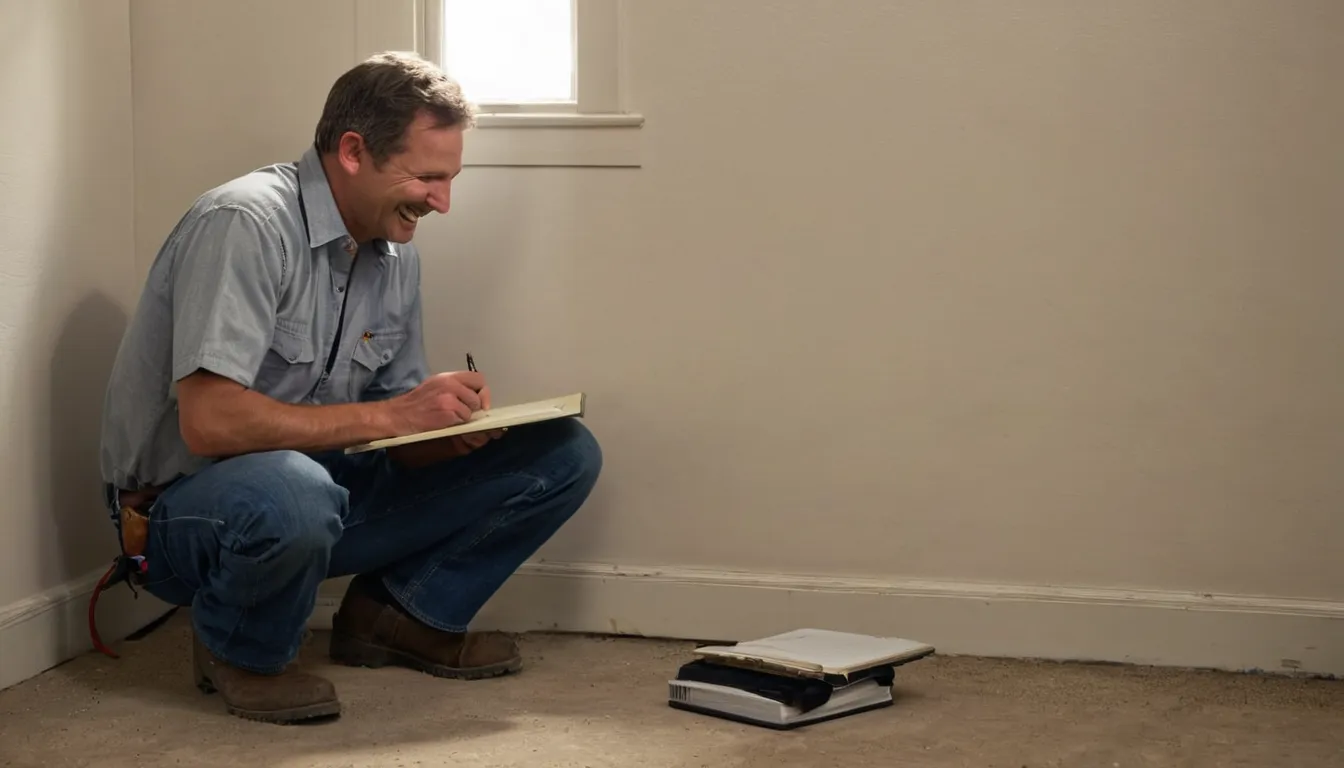
A few ants by the sink or a spider in the basement is easy to shrug off. But small signs often point to a bigger problem behind the walls. Catch it small, and the fix is usually simpler and cheaper.
Thirdleading Pest Control is a referral service. We do not treat homes ourselves. We explain what a handy homeowner can safely try, then connect your request with an independent provider in our network who handles Columbus and the Columbus area. Providers do the work, set their own prices, and give you a written quote.
Seeing Pests in Your House? Start Here
Grab a flashlight. Walk the house once, slowly. Look where bugs and mice like to hide: under sinks, behind the fridge, along basement walls and around the water heater.
Take photos of whatever you find. Note the date. A provider can use those notes to plan a smarter visit, and you will remember what you saw.
If you searched for an exterminator near me, you are in the right place. Here is how to size up the problem first.
Early Signs Worth Checking Tonight
Small clues show up before a full infestation does. Check for these:
- Droppings that look like pepper or rice grains
- Chewed boxes, wires or food bags
- Tiny piles of sawdust-like debris
- Ant trails along baseboards or counters
- Shed skins or egg cases in dark corners
- Musty, oily or sour smells in closed spaces
- Scratching sounds in walls after dark
One clue may be nothing. Two or three in the same spot usually mean something is living there.
Why Catching It Small Pays Off
Pests multiply fast. A few roaches turn into a crowd. A mouse that finds a warm wall can have a nest in weeks. Chewed wiring and soiled insulation are repairs you want to skip.
Old frame houses and ranch homes have plenty of gaps around pipes, vents and foundations. Our cold winters push pests indoors, and hot humid summers bring ants, crickets and roaches looking for water. Acting early keeps the job smaller.
What Residential Pest Control Covers
Residential pest control means a provider inspects your home, finds the entry points and food sources, and treats the problem. Most visits include a few steps:
- Inspecting inside, outside and in crawl spaces or basements
- Identifying the pest, since each one needs a different approach
- Treating with baits, sprays, dusts or traps
- Advising on sealing and moisture fixes
- Planning a follow-up if the problem needs one
The provider chooses the method. Ask what will be used and where.
Common Pests Providers Treat
Homeowners most often ask about ants, spiders, roaches, crickets, mice, rats and stinging insects. Ants and roaches follow food and water. Crickets and spiders sneak in through gaps and door sweeps. Mice squeeze through openings the size of a dime.
Termites and larger animals need a different kind of provider, so those have their own pages on this site. Rodents are covered with wildlife removal there too.
Bed Bugs: Stop and Call a Pro
Bed bug treatment is not a weekend project. Store-bought sprays often scatter the bugs into other rooms and make things harder.
Watch for small rust-colored spots on sheets, tiny bites in a line, or dark specks along mattress seams. Wash bedding on hot and bag it. Then ask a provider about bed bug treatment options. Do not move furniture out of the room, because that can spread them.
What You Can Safely Try Yourself
Some jobs are fine for a handy person. Seal, then stop.
- Wipe up crumbs and grease, and store food in tight containers
- Fix drips and run a dehumidifier in damp basements
- Caulk small gaps around pipes and windows
- Add door sweeps and repair torn screens
- Move firewood and mulch away from the foundation
- Set a few snap traps for a single mouse
Stop when you see pests every day, find nests, or the problem comes back after a week or two. That is the time for a provider.
Questions About Product Safety
It is smart to ask. Tell the provider about kids, pets, aquariums and anyone with asthma. Ask which products they plan to use, where they go, and how long to stay out of treated rooms.
Many providers use baits and targeted treatments instead of spraying everything. Read any label or sheet they give you. Never mix products yourself, and keep store-bought sprays away from food areas.
One-Time Visit or Ongoing Plan?
A one-time visit fits a clear, new problem, like a wasp nest or a short ant trail. A plan with regular visits fits homes that see pests every season, such as older houses with damp basements or lots of gaps.
Ask what each visit includes and whether follow-ups are covered in the price. Get it in writing. You can often start with one visit and switch to a plan later.
How to Choose a Provider
Compare more than price. Ask a few plain questions:
- Is the provider licensed to treat pests in your state?
- Is the company insured?
- Will you get a written quote before work starts?
- What happens if the pests return?
Providers in our network are independent businesses. Thirdleading Pest Control does not vouch for any single provider's work, so do your own checking before you say yes.
Getting Your Home Ready
A little prep helps treatment work. Clear the floor along walls, empty under-sink cabinets, and put away pet bowls and toys. Vacuum first, then toss the bag outside.
Keep up the habits after the visit. Dry out damp spots, keep food sealed, and check your photos against what you see next month.
Who Does What
Thirdleading Pest Control is a referral service, not a pest control company. You send a request, and we route it to an independent local provider. That provider calls you, inspects, quotes and does the work. Prices, schedules and methods are theirs to set.
What's Included
Home Inspection
A provider checks rooms, basements, crawl spaces and the outside walls to find where pests enter and live.
Pest Identification
Each pest needs its own plan, so providers confirm what you have before choosing a treatment.
Targeted Treatment
Baits, traps, dusts or sprays go where pests travel, nest or feed, based on the findings.
Follow-Up Advice
Providers explain which gaps to seal, what moisture to fix, and whether another visit makes sense.
Typical Pest Control Costs
Prices vary by pest, home size, and how long the problem has gone on. These are typical U.S. ranges only. Always get a written quote from the provider before work begins.
| Service | Typical range | Notes |
|---|---|---|
| Inspection only | $75 – $200 | Often credited toward treatment |
| One-time general treatment | $150 – $400 | Ants, spiders, crickets, roaches |
| Recurring plan, per visit | $40 – $150 | Usually quarterly or monthly |
| Roach treatment | $150 – $600 | Heavier cases need follow-ups |
| Stinging insect nest removal | $100 – $500 | Depends on nest size and location |
| Bed bug treatment | $1,000 – $5,000 | Varies by method and home size |
How It Works
Send Your Request
Tell us what you saw and where. Photos and dates help the provider plan.
Get Matched Locally
We route your request to an independent provider in our network serving your area.
Review the Quote
The provider inspects and gives a written quote. Ask questions before you agree.
Treat and Follow Up
The provider handles the treatment and tells you how to keep pests from returning.
Why Call Thirdleading Pest Control
Catch It Small
Acting at the first droppings or trail keeps the job smaller and may save you repairs later.
Plain Guidance
You learn what is safe to try yourself and when to stop and call.
Honest Referral
Providers do the work. We simply connect you with an independent local provider.
Local Know-How
Providers know how cold winters and humid summers push pests into area homes.
Other Services
Need pest control in Columbus?
Seeing droppings, trails or damage? Send a request for an estimate and a local provider in our network will follow up with you.
No obligationPest Control FAQ
How do I know if I need an exterminator or can handle it myself?
A few ants or one mouse can often be handled with cleaning, sealing and traps. If you see pests daily, find nests, or the problem returns within weeks, request an estimate from a provider.
Is residential pest control safe for kids and pets?
Many treatments are used safely around families when label directions are followed. Tell the provider about children, pets and health concerns, and ask which products are used and how long to stay out.
How often should I schedule pest control?
It depends on the pest and your home. A new problem may need one or two visits. Older houses or damp basements may do better with seasonal visits. Ask the provider what fits your situation.
Request a callback
Seeing droppings, trails or damage? Send a request for an estimate and a local provider in our network will follow up with you.
No obligation